Barça's Stance: No Ceuta Support T-Shirt
Unlike other La Liga teams, Barça is not wearing a t-shirt to support the population of Ceuta. President Joan Laporta fully stands by this decision.
Going against the trend, while several La Liga teams show solidarity with Ceuta—the Spanish enclave in Morocco facing a migration crisis—Barça chose a different path. Facing Levante last Sunday (4-2) in La Liga’s fifth matchday, Raphinha’s teammates took the field as usual, in their jerseys, not with the ‘Todos somos caballas’ (We are all Caballas) t-shirts. On Wednesday, for the home match against Racing Santander, the players wore training jackets.
'Let everyone do what they believe they should'
Barça president Joan Laporta explained the club's position to Cadena Ser before the match. "The club stands for freedom of expression. Let everyone do what they believe they should. We respect all kinds of actions taken. We know that when politics and sport mix, it creates controversy. This is what happened at Elche and with Ez Abde," he stated. "We give our players the freedom to make these kinds of statements privately, without using the club’s name." (Ez Abde, the Moroccan international from Betis, had to defend himself against claims of political messaging with the same t-shirt.)
Earlier that day, Spanish Football League president Javier Tebas defended wearing the t-shirt in support of Ceuta's population. This follows incidents where players like Kylian Mbappé, Vinicius Junior, and Ibrahima Konaté partially wore the shirts during a La Liga match at Elche (3-2), covering the message 'We are all maquereaux'—a nickname for Ceuta's residents.
Tens of thousands of migrants entered Ceuta forcefully from Morocco in late July. Ceuta, along with Melilla, is one of two Spanish enclaves in North Africa. While most migrants were quickly returned to Morocco, thousands remain in the autonomous city, where the situation has worsened, causing tension with residents. The Ceuta crisis has been a central topic in Spanish political debate for six weeks, sparking daily exchanges between Prime Minister Pedro Sánchez's government and the right-wing and far-right opposition.
Fresh materials — Football News

Lyon Secures Hard-Fought 2-1 Victory Over Anderlecht in Europa League Debut
Olympique Lyonnais began their Europa League campaign with a challenging 2-1 away win against Anderlecht. Lyon controlled the first half but faced significant pressure in the second, ultimately clinging to their lead for a vital three points. English Translation: Olympique Lyonnais bega
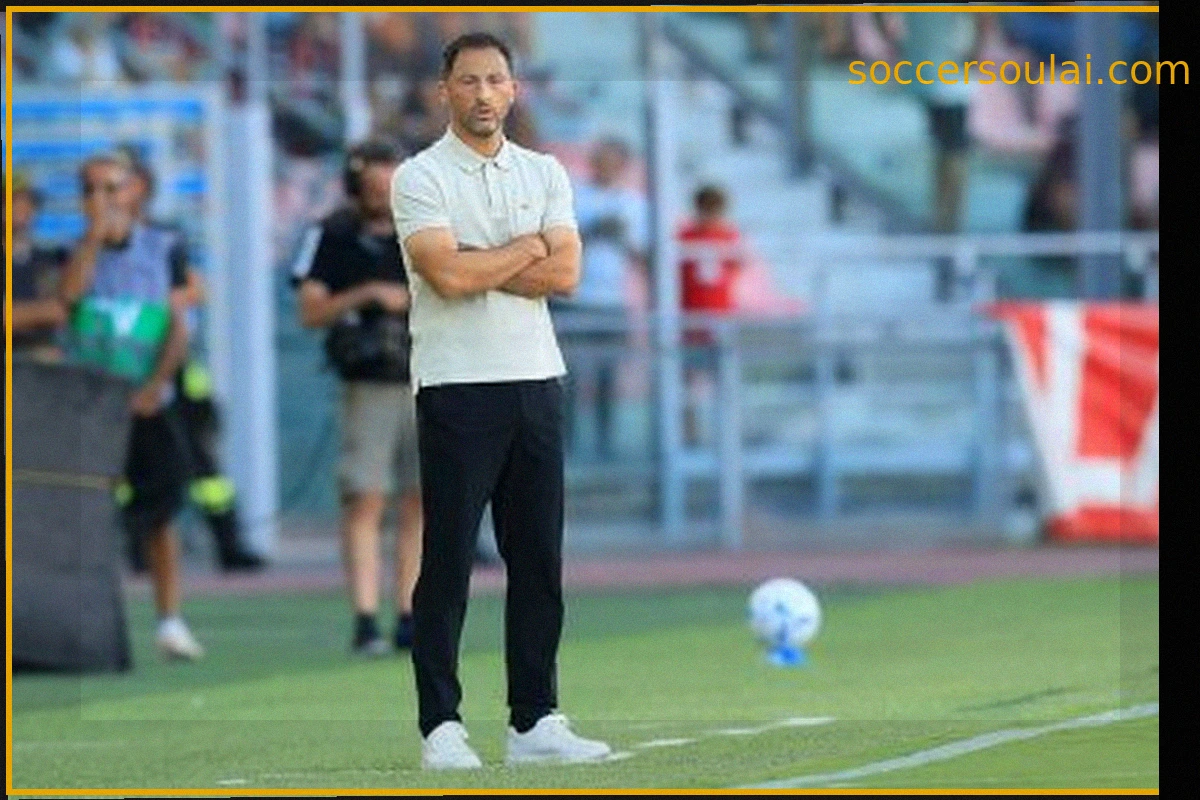
Domenico Tedesco 'disappointed' by early Bologna dismissal
Domenico Tedesco calls his dismissal from Bologna after just four matches "very disappointing," but acknowledges "that's football." Raffaele Palladino has been appointed as his successor. The Italo-German coach joined Bologna this summer, following a two-year stint as Belgium's national t

Lille President Létang Fined for Inflammatory Referee Messages
Lille President Olivier Létang has been fined €20,000 by the League's disciplinary committee. The sanction follows inflammatory messages and emails directed at French referees after the Lille-PSG match on August 27th, which ended 2-2. Létang faced a potential nine-month suspension. The i
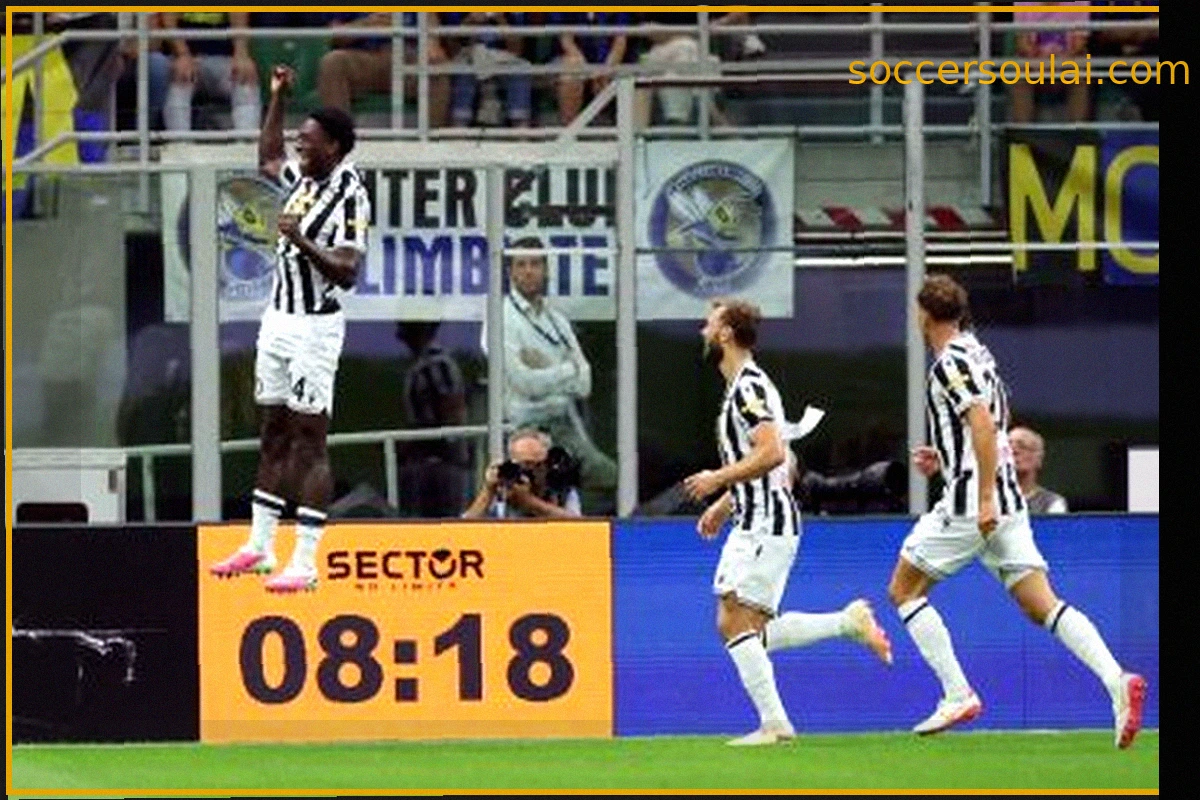
Inter Mounts Spectacular Comeback to Defeat Udinese 5-3
Inter repeated their recent Serie A feat, overturning a 2-0 deficit to win again. This time, they triumphed 5-3 against Udinese in a chaotic match at San Siro. Following their 3-2 victory over Napoli after being down by two goals, Inter experienced a 2-1 loss to Real Madrid in the Champions
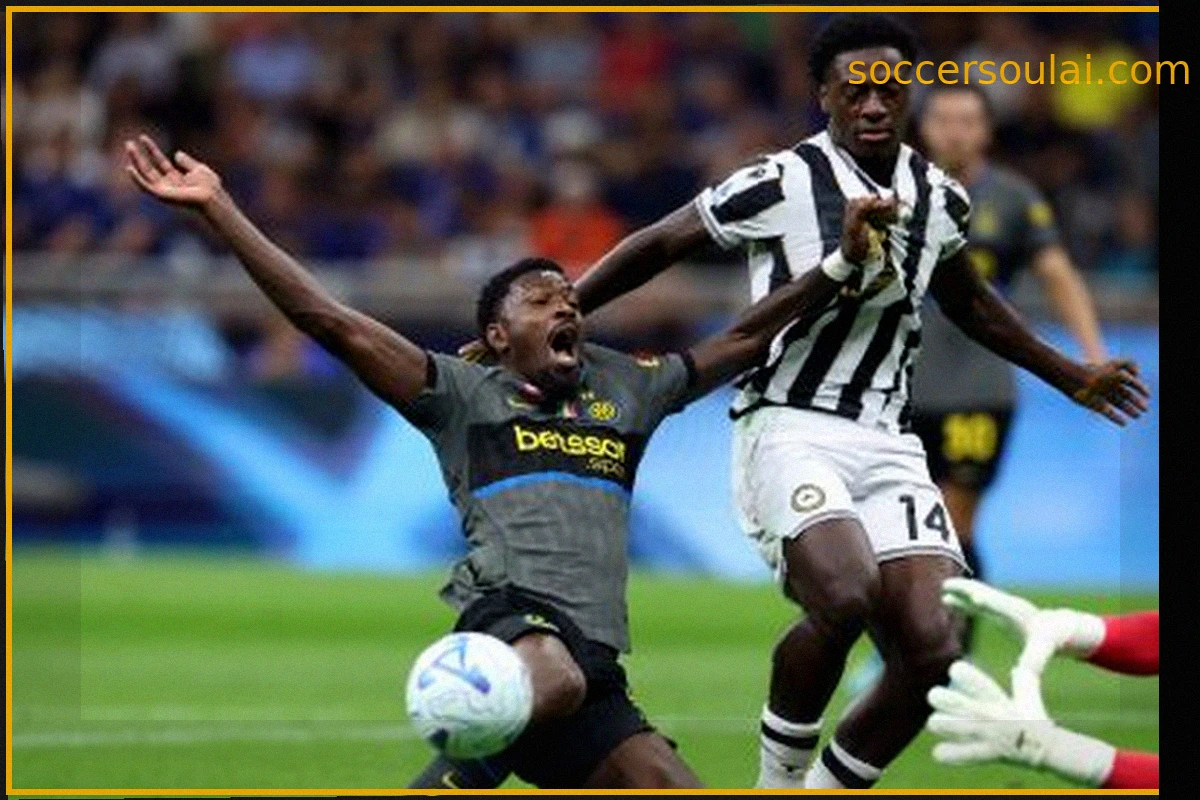
Chivu on Inter's Intensity: A Necessary Risk in Serie A's 5-3 Thriller
Inter coach Cristian Chivu views games like the dramatic 5-3 win against Udinese as an unavoidable aspect of contemporary Serie A football. "No team is ever perfect," he stated. The Nerazzurri were once again involved in a chaotic encounter, trailing 2-0 at home for the second consecutive S

Dembélé's Ballon d'Or Response to Mbappé Allegedly Orchestrated by PSG, Says Riolo
Ousmane Dembélé's reaction to Kylian Mbappé after Paris Saint-Germain's win at Brest on Sunday (0-1) was reportedly pre-arranged. Daniel Riolo, a commentator on RMC's After Foot, claims the PSG attacker's statement to Ligue 1+ was planned in advance. This follows Mbappé's recent interview