"I Really Thought It Was a Joke": Zidane's Call, Experience in Cycling and Sochaux... the Waking Dream of the New Podiatrist for the French Football Team
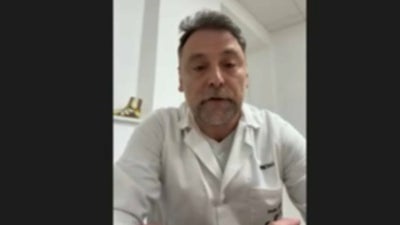
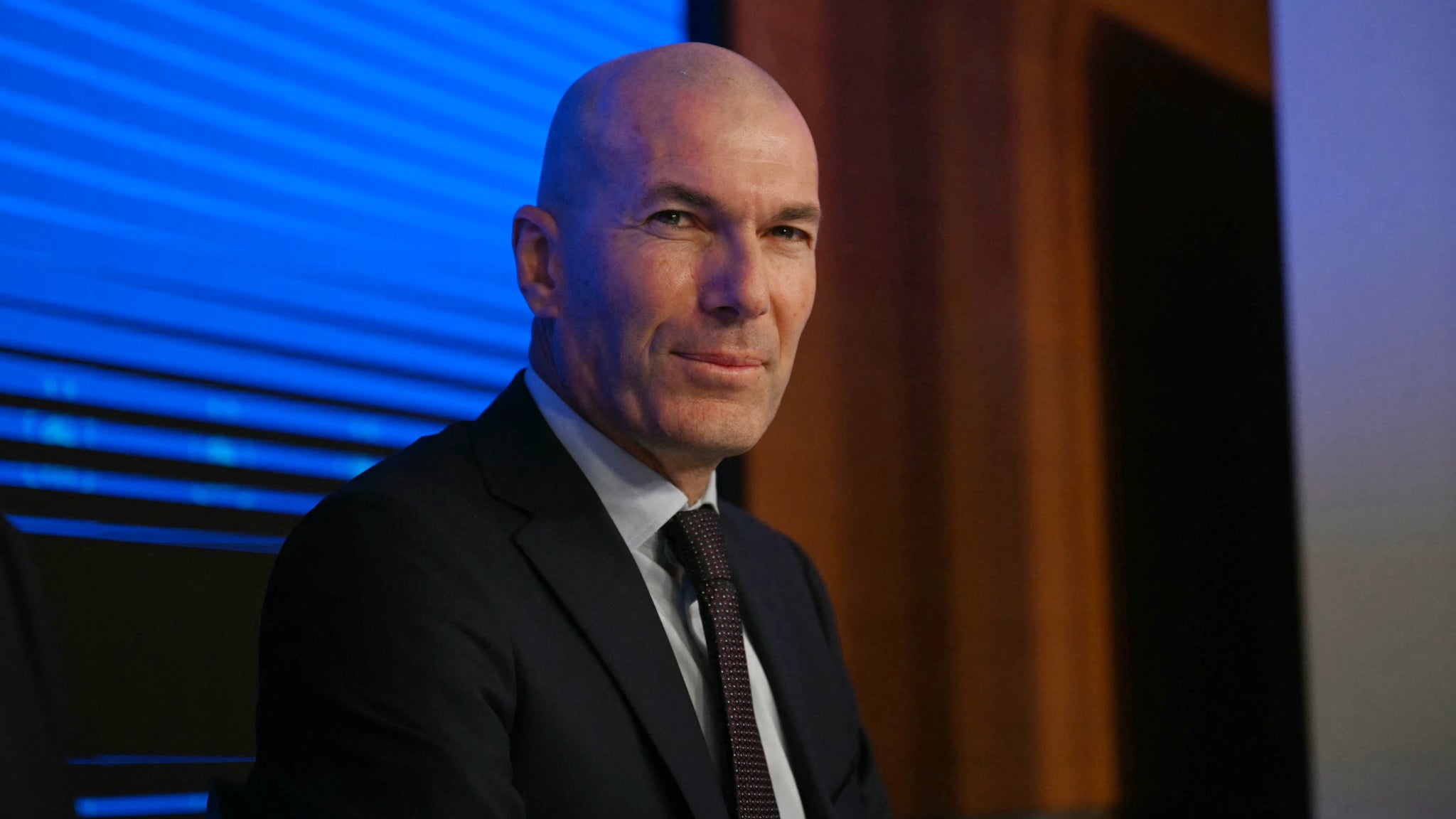
Marc Rétali, the new podiatrist for the French national football team, shares his astonishing journey to this unprecedented role in the medical staff. Appointed by Zinedine Zidane, who aimed to build a specialized medical unit, Rétali was contacted by Dr. Hervé Collado, the team doctor. With two decades of experience at Sochaux and with top cycling teams like Cofidis, Groupama-FDJ, and Decathlon-AG2R La Mondiale, Rétali recounts his initial disbelief and excitement.
Did you apply for the position?
I didn't apply for anything; I was approached. Honestly, I was surprised and initially thought it was a prank.
What was the connection?
Zinedine Zidane appointed Dr. Hervé Collado to assemble the medical staff. He wanted a dedicated podiatrist to support the team, a role that hadn't existed in this capacity before. Dr. Collado, who is also the president of the French Society of Sports Traumatology, is deeply involved in the field. My extensive background in sports podiatry across various organizations led him to contact me. He initially approached me about a secret project without revealing the details, asking if I was interested. Upon agreeing to explore something with him, the opportunity with the national team gradually materialized.
Did you know him personally before?
We had crossed paths at conferences, but our relationship was not close. Sports traumatology is a small world, so you often encounter familiar faces. Dr. Hervé Collado, as president of the French Society of Sports Traumatology, is a well-known figure – almost the "Zidane of doctors" in this field. We knew of each other, but that was the extent of our connection.
When you were told it was for Zidane's French team, how did that hit you?
At first, I truly believed it was a joke; I couldn't fathom it being real. When he assured me it wasn't, it was quite surprising.
What is your relationship with football and the French national team?
I think we all share a similar sentiment. Zinedine Zidane is a national icon for all of us, and the 1998 World Cup holds a special place in our history. I was in my twenties back then. For my profession, this is a significant achievement. We pursue sports traumatology with the hope of being involved in such high-level situations; this is undoubtedly where I've always aspired to be.
Is your role temporary or permanent?
For now, it's a full-time commitment. He wants a resident podiatrist who will accompany the team everywhere to address any issues that may arise, especially during competitions. This is a completely new approach. I worked with FC Sochaux for 20 years, handling pre-season assessments, fitting orthotics, and seeing players on a case-by-case basis. However, this role requires constant presence with the team because, during competition, unforeseen issues can arise that impact player availability, requiring immediate adaptation.
Specifically, could it be Mbappé saying, 'It's my insole, my shoe'...
It could be something like that, or a foot pathology. The unique aspect of the national team is that players already have medical staff at their clubs. Mbappé isn't waiting for me to address his foot issues or posture; that's already handled by his club. However, new problems can emerge during training camps or gatherings, related to footwear, pressure points, pathologies, or postural issues. The foot is the foundation of the entire kinetic chain, and functional problems can originate from or be corrected through the foot by adjusting the body's balance.
Does this all happen in collaboration with physios and osteopaths?
Exactly, under the direction of the medical coordinator, who will be the team doctor and issue recommendations. My experience has shown that within a medical team, each member presents their expertise, and then decisions are made collaboratively, with the doctor coordinating the therapeutic approach.
So, your first involvement in football was with Sochaux...
Yes, for over 20 years. We had some great years at Sochaux, including participating in European competitions. It became more challenging later, and things eventually wound down. This was the first time at Sochaux that there was a dedicated podiatrist on staff, and I would travel with the team. We addressed functional pathologies when players had recurring issues. This wasn't common practice back then. Crucially, I brought the capability, similar to what I'll do with the national team, to conduct assessments directly on-site. I'm collaborating with a French podiatry lab. Discussions are ongoing with the FFF about the specifics, but it allows for the creation of insoles on the spot. This was revolutionary at the time and is extremely effective for immediate care and intervention. The lab provides equipment for making casts and orthopedic insoles. I've been doing this for years in cycling with teams like Cofidis, Groupama-FDJ, and most recently Decathlon-AG2R La Mondiale. When we traveled abroad for training camps, in Spain or Belgium, I would bring the necessary equipment.
How did you join the Sochaux staff?
It was in 2003. At that time, I didn't know Sochaux. The club was staying at a hotel whose owners were my patients. The hotel owner, while serving drinks, overheard a conversation about a player named Pagis's foot problem. The medical staff at the time was struggling to resolve it. The owner suggested, "I know someone who takes care of us, he's nearby, we can probably help with that." So, Pagis was sent to me. He had a relatively straightforward issue for a podiatrist, which I successfully treated. Following that, the team doctor mentioned they had other players with foot concerns and asked if I could see them. That's how I got involved. Initially, the goal was to provide orthotics only for those with specific issues, not for everyone. However, it evolved to the point where there was automatic follow-up: during the successful years, every player saw the podiatrist. I was integrated into the staff, traveling with them for training camps, for example, to Evian. I worked with numerous coaches and had a mobile podiatry practice.
Were you already working with professional athletes?
I was seeing many athletes at my practice, but this was my first time being a permanent part of a recurring sports staff. We discuss postural issues, but also problems with shoes, especially during preseason with new footwear, various pathologies, minor injuries, or even impacts on the foot. These issues, if they occur at the wrong time, can be costly. We need to be able to address them. This new staff's aim is to introduce a new tool to handle such problems effectively.
And in cycling?
My work in cycling wasn't directly at the Tour de France but in the preparation leading up to it. The focus was on correcting postural issues. Cycling is unique because the feet are fixed to the pedals, exaggerating functional asymmetries compared to daily life. After the major doping scandals, French teams committed to clean sport sought alternatives to doping. Podiatry and postural analysis on the bike offered solutions to alleviate functional pain without resorting to banned substances. I joined French cycling teams, and we published research demonstrating the performance improvements achieved through orthopedic insoles. This foundational work broke new ground, as the impact of functional components on performance wasn't widely understood at the time.
Are footballers accustomed to seeing podiatrists?
Yes, at their clubs, they already receive specialized orthopedic care, either from independent podiatrists or through specialized labs. They are very well-supported. Furthermore, French international players play for top clubs, so their medical care is already optimized at a high level. My role will differ in that, similar to the physios and osteopaths, I'll be working with individuals who are already receiving excellent care. My approach will be to supplement their existing care with targeted interventions and adapt to their specific needs. Even with consistent care, it's possible that some issues might be overlooked. My role will be to ensure all minor concerns are addressed.
Are you already preparing for the training camp? Have there been briefings?
We are being mindful of what we discuss. Dates are already set, and preparations are underway. From my perspective, it feels like Christmas Eve; I'm eagerly awaiting the morning to see the gifts. I'm very excited. The entire staff is new. I’ve been part of many different sports staffs and teams, but this will be the first time with a completely new group. There's a strong, cohesive "commando" dynamic, as everyone will be in the same boat, being new to the team. It's exhilarating. Football was my childhood sport, and now transitioning to this side of the mirror opens up a whole new context. I have immense admiration for Didier Deschamps and his work. To now join Zinedine Zidane's staff... he's a legend for us French people! Being invited to his staff feels akin to being called by General de Gaulle for a special mission. He personally called everyone in his future staff. That's when I truly thought it was a joke. His accent is unmistakable, though, so it was definitely him.
Fresh materials — Football News

Cristiano Ronaldo Misses Portugal Training Amidst Speculation
Cristiano Ronaldo did not participate in the Portuguese national team's training session in Malmö on Tuesday, two days after remaining on the bench for the entire Norway-Portugal match. While not officially injured, he has returned to the team hotel. The circumstances surrounding Cristian
Manchester City Knew of Billions Fraud Guilt Before Lavish Transfer Spending
Manchester City was aware of its guilt in 114 financial rule breaches in the Premier League since this summer. This knowledge did not stop the club from spending outrageously during the transfer window. The announcement, days after multiple media outlets reported the news, ca

Italy Resurges in Nations League with Dominant Win Over Turkey
Italy achieved a resounding 4-1 victory against Turkey in the Nations League on Monday in Bursa. Following their defeat to Belgium, Roberto Mancini's squad found their form under the rain south of Istanbul. The Italian team dominated Turkey in Bursa, scoring three goals within
France Beats Belgium 1-0: RMC Commentary on Zidane's Team's Latest Victory
France won 1-0 on Belgium's field this Monday. Michael Olise scored the decisive goal, securing the victory for Zidane's team late in the match.

Zidane Recounts Ecstatic Celebration of Olise's Winning Goal in Belgium-France Match
Zinedine Zidane celebrated Michael Olise's winning goal in the Belgium-France Nations League match (0-1) with unrestrained joy. The French coach, full of excitement, powerfully kicked a ball that lay near the French bench. It was a liberating goal. France, with a modified squ
Ethan Mbappé Receives Three-Match Champions League Ban for Elbow Foul
Ethan Mbappé will miss Lille's next three Champions League matches after being suspended for an elbow incident. He was sent off early in the second half of the game against Betis Sevilla on September 8, during the first matchday of the Champions League. Lille lost that game 3-2. The suspe